A bakery case looks like a collection of treats. It is actually three families of recipes wearing different shapes, and once you can sort them, you can predict how anything in the case will eat before you spend a bite on it. Enriched doughs, laminated doughs, and batters behave differently in the oven, stale at different speeds, and punish neglect in different ways. For shoppers in Taylorsville, this is the most useful literacy a bakery customer can pick up.
Family one: enriched doughs
Enriched dough is yeasted dough made rich with eggs, butter, milk, and sugar. Brioche is the famous example, soft, golden, and tender, along with cinnamon rolls, coffee cakes, and many sweet rolls and pan dulce styles. The fat shortens gluten strands, which is why these breads are soft instead of chewy. They keep moderately well for a day or two, toast beautifully, and make superlative French toast and bread pudding when they pass their prime. Neglect them and they dry steadily, but they rarely surprise you.
Family two: laminated doughs
Laminated dough is built from layers: dough folded around butter, rolled, folded again, until dozens of thin sheets alternate with fat. Croissants and Danish pastry live here. In the oven, water in the butter turns to steam and lifts the layers apart, creating the shattering, flaky structure. Laminated pastries are the most perishable items in the case. Humidity is their enemy, a Piedmont summer afternoon can soften a crisp croissant in hours, and by day two the layers have gone leathery no matter what you do.
Family three: batters
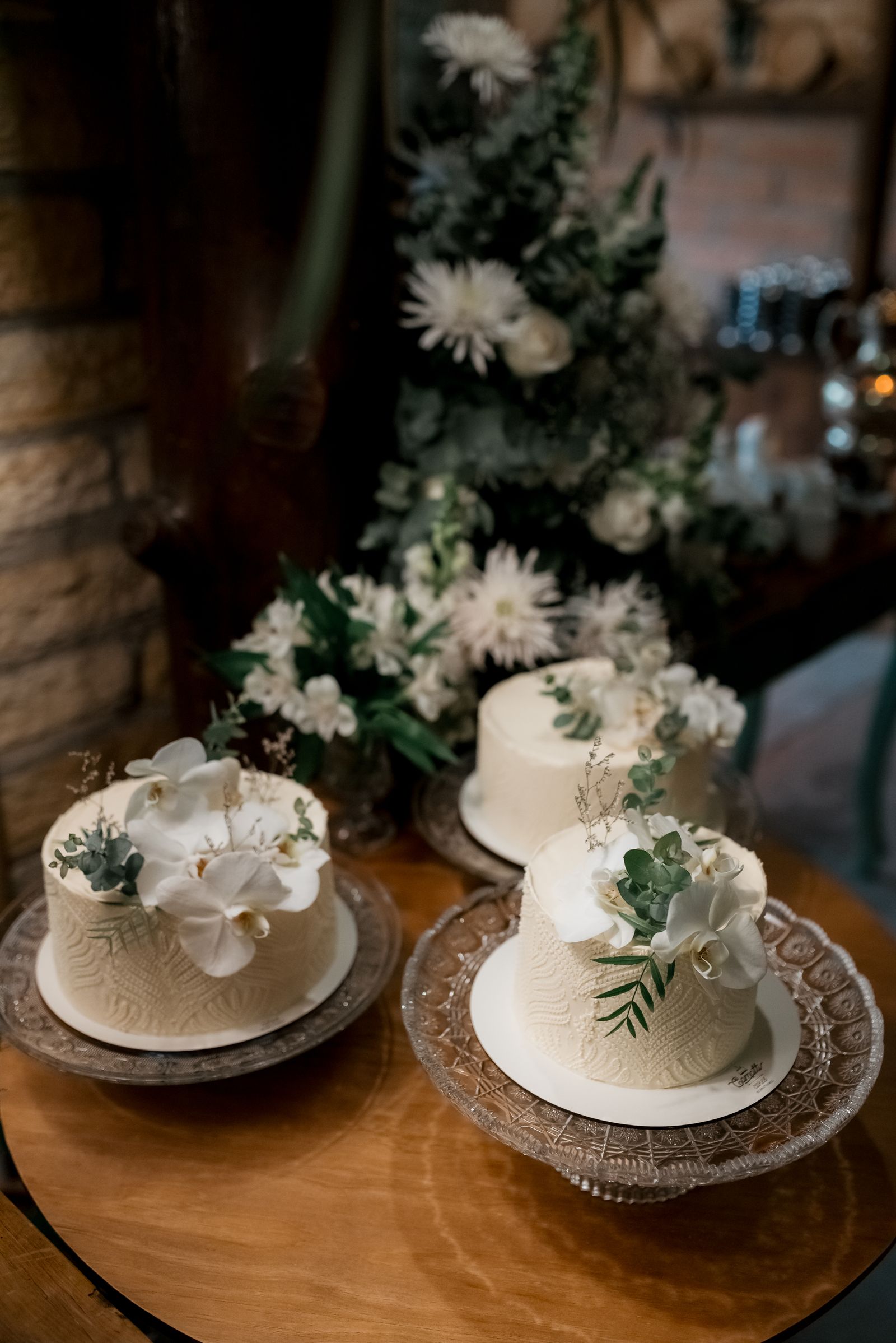
Batters are the cake family: flour, sugar, eggs, and fat mixed wet and leavened mostly by baking powder, soda, and beaten eggs rather than fermentation. Cakes, muffins, quick breads, and cupcakes all belong here. Batters stale more slowly than laminated goods and freeze better than either other family, which is why the freezer advice in most bakeries centers on them. Their neglect curve is gentle: a covered cake on day three is a lesser cake, not a lost one.
The cost of neglect, then, is family-specific. Ignore a croissant until tomorrow and the loss is total; the flaky structure cannot be rebuilt, only briefly recrisped in a hot oven for same-day eating. Ignore brioche and you lose softness but gain a perfect candidate for cooking. Ignore a cake and you lose a little moisture. Buying with the family in mind, laminated for today, enriched for the weekend, batter for the freezer, is how regulars at Three Fork Cakes quietly waste nothing.
Reading the case in ten seconds
Look for shine and shatter and you are looking at lamination. Look for golden softness and a pull-apart crumb and it is enriched. Look for a fine, even crumb and a level top and it is a batter. The labels on the case will name flavors. Your eyes, once trained, name the family, and the family tells you when to eat it, how to store it, and what to do when life delays dessert by a day.
One more family trait: sound and smell
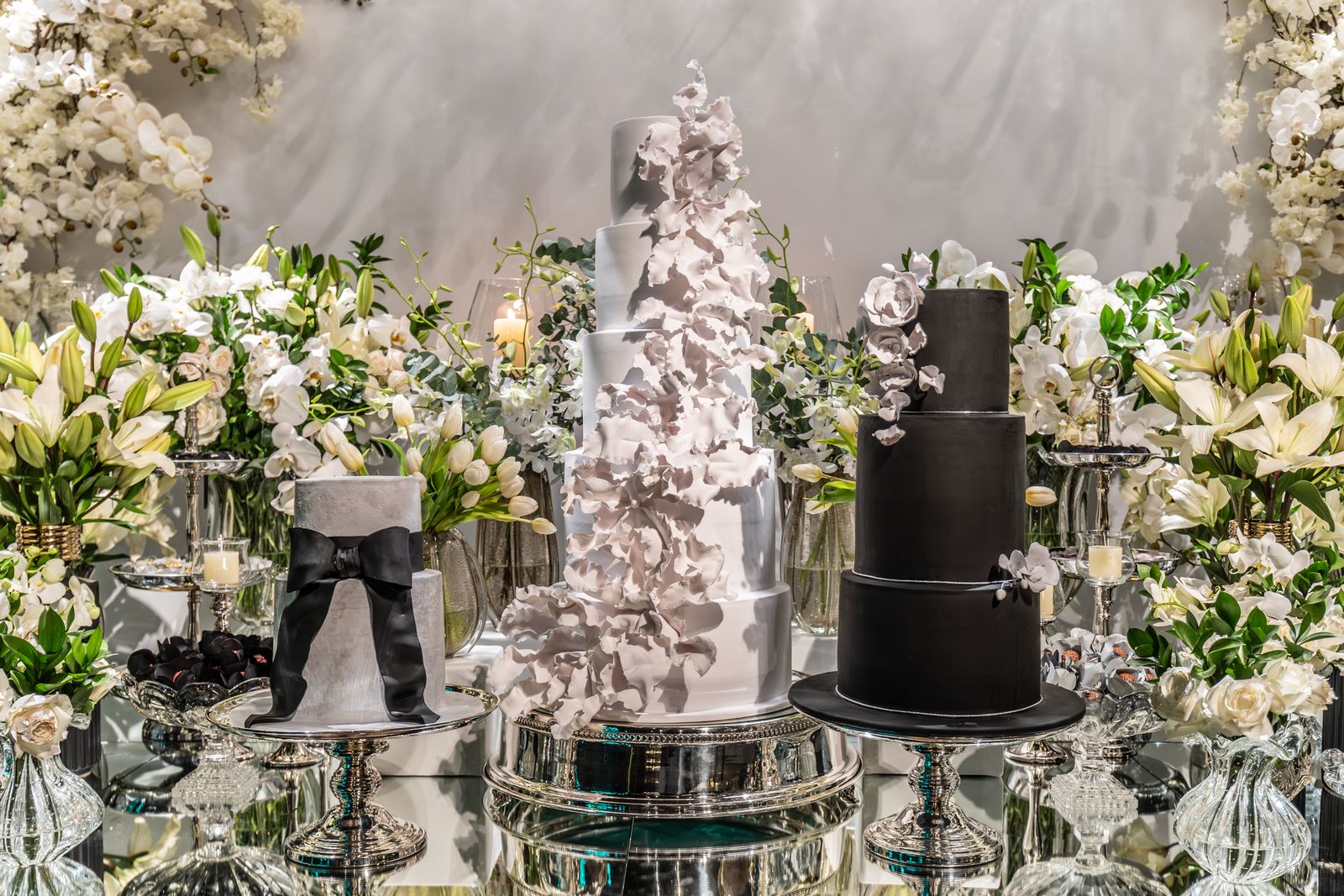
The families announce themselves before the first bite. A fresh laminated pastry sounds crisp when squeezed gently and smells strongly of butter. An enriched loaf smells of eggs and sugar as much as wheat, and its crust is matte and soft rather than shiny and hard. A batter cake smells sweet and even, and its surface springs back slowly from a fingertip. Shops know customers buy with their eyes first, which is why cases are lit and arranged the way they are, but the other senses grade freshness more honestly. A croissant that looks perfect and bends without a whisper of crackle has already told you its family history and its age. Believe it, and choose the item whose signals all agree.
Start on your next visit by silently sorting six items into families before you order. The exercise takes less than a minute, and by the third visit it becomes automatic. From then on, storage and timing decisions at home make themselves.
Common questions
What is the difference between brioche and croissant dough?
Brioche is an enriched dough with butter mixed throughout, giving a soft crumb. Croissant dough is laminated, with butter layered between sheets, giving flaky separation.
Which bakery items go stale fastest?
Laminated pastries like croissants. Their crisp layers soften within hours in humidity and rarely survive to a good second day.
Which items should I buy for the freezer?
Batter-based goods: cakes, muffins, and quick breads freeze best. Enriched doughs freeze acceptably, laminated pastries least well.
Photos in this guide are representative stock images.
← All guides from Three Fork Cakes← Back to Three Fork Cakes