If you have never frozen baked goods on purpose, the first attempt usually goes one of two ways: a triumph pulled out for guests a month later, or a frosty mystery package nobody can identify. The difference is a short sequence done in the right order on the day you bring things home to Taylorsville. This first-timer walkthrough covers cookies, muffins, pies, and breads in one method, with the few places where each item bends the rules.
Before anything goes in the freezer
Start with fresh items, ideally the day they were baked or bought. Cool everything completely first; warm goods sealed in a bag steam themselves soggy and frost the wrapping. Portion before you freeze, because a freezer rewards small units: slices of bread, individual muffins, cookies in small stacks, pie by the whole only if a crowd is genuinely coming. Future you thaws portions. Nobody thaws a whole cake on impulse.
- Cool completely on a rack or counter until no warmth remains, usually about an hour for breads and cakes.
- Portion: slice bread, separate muffins, stack cookies with parchment between layers if they are frosted.
- Wrap tight in plastic wrap, pressing out air as you go; the wrap should touch the surface everywhere.
- Add a second layer of foil or a freezer bag, press out air again, and seal.
- Label with the item and the date, every time, on tape you can read at a glance.
- Freeze flat where possible, in the coldest part of the freezer, not in the door.
- Thaw wrapped: breads and cookies on the counter, pies and frosted cakes in the fridge overnight.
- Refresh: breads and cookies get a few minutes in a 350 degree oven; cake slices rest to room temperature instead.
How each item behaves
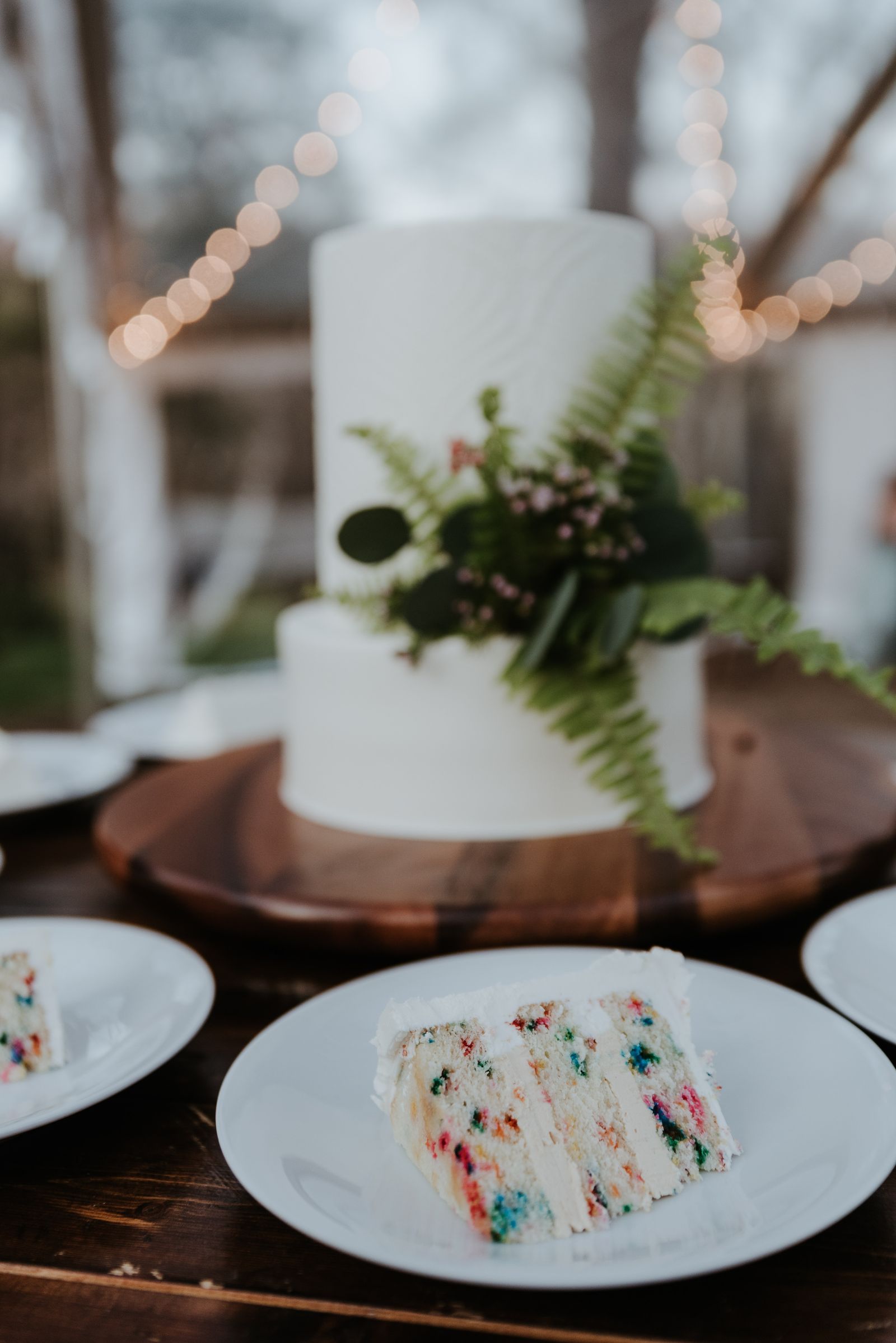
Cookies are the easiest win, keeping well for a month or more and refreshing to near-fresh in a low oven. Muffins freeze whole and reheat from frozen, though crumb toppings soften. Fruit pies freeze baked or unbaked with good results, while custard pies should not be frozen at all. Breads freeze best sliced and keep their quality for about three months. Cakes freeze in slices far better than as whole frosted monuments, which is worth remembering after every birthday in Taylorsville.
One honest limit: freezing preserves, it does not improve. An item frozen at its peak thaws at nearly its peak. An item frozen when already tired thaws tired, plus freezer time. The first-timer mistake is almost never the wrapping. It is using the freezer as a rescue for food that was already past saving, then blaming the method.
Your first run
Make the first attempt small and likely to succeed: half a fresh loaf, sliced and wrapped well, and a half dozen cookies. Thaw and refresh both within two weeks, while you remember exactly what went in. Once you have tasted the result, the system scales itself, and the freezer turns into what it should be for a bakery customer: a way to buy the good box at Three Fork Cakes when you see it, and eat it on your own schedule.
Keeping a simple freezer inventory
The last habit separates people who use their freezer from people who store regrets in it. Keep a short list on the door: item, date in, and a rough use-by month. Cross items off as they leave. The list takes ten seconds to update and prevents the two classic failures, forgetting a good item until it is past its best, and buying a second box of muffins while a first box waits undiscovered. Once a month, plan one meal or gathering around what the list shows, a soup night for the frozen bread, a weekend breakfast for the muffins. Food that gets planned gets eaten, and a freezer that turns over steadily is the whole point of learning the method in the first place.
Keep one shelf or bin in the freezer reserved for baked goods, so packages are not crushed under frozen meat or lost behind vegetables. A dedicated spot also makes the inventory list honest, because everything on it is in one visible place.
Common questions
How long can I keep baked goods in the freezer?
Cookies and muffins about a month at best quality, breads about three months, cake slices two to three months. Everything should be tightly double-wrapped and labeled.
Do I thaw bread in the fridge or on the counter?
On the counter, still wrapped, so condensation lands on the wrapping. Slices can go straight into the toaster from frozen with no thaw at all.
Why did my frozen pie crust go soggy?
Fruit pies thaw best in the fridge overnight, then a moderate oven recrisp the bottom crust. Thawing a pie unwrapped on the counter lets moisture soak the base.
Photos in this guide are representative stock images.
← All guides from Three Fork Cakes← Back to Three Fork Cakes