The day-old rack is the most honest corner of any bakery in Taylorsville. Nothing there pretends to be fresh, the prices reflect it, and a shopper who knows the rules can eat very well from it in every season of the year. Day-old is not one thing: a crusty loaf, a muffin, and a frosted cake age at completely different speeds, and the season decides which risks are worth taking. This checklist sorts what freezes, what reheats, and what to leave on the rack. Three Fork Cakes keeps that same clear divide on its rack.
The day-old checklist, season by season
- Crusty breads, any season: buy confidently; a hot oven for ten minutes restores crust and crumb for same-day eating.
- Muffins and coffee cakes: buy in spring and fall; refresh briefly in a low oven and eat within a day.
- Summer caution: in Piedmont heat and humidity, skip day-old items with cream, custard, or fresh fruit fillings entirely.
- Winter bonus: sturdy spiced and enriched breads age slowest in cold months and freeze best of the year.
- Frosted cakes: buy only if you can serve that day or freeze slices immediately, wrapped tightly.
- Any item, any season: visible mold, sour smells, or a slumped, weeping surface means leave it, no exceptions.
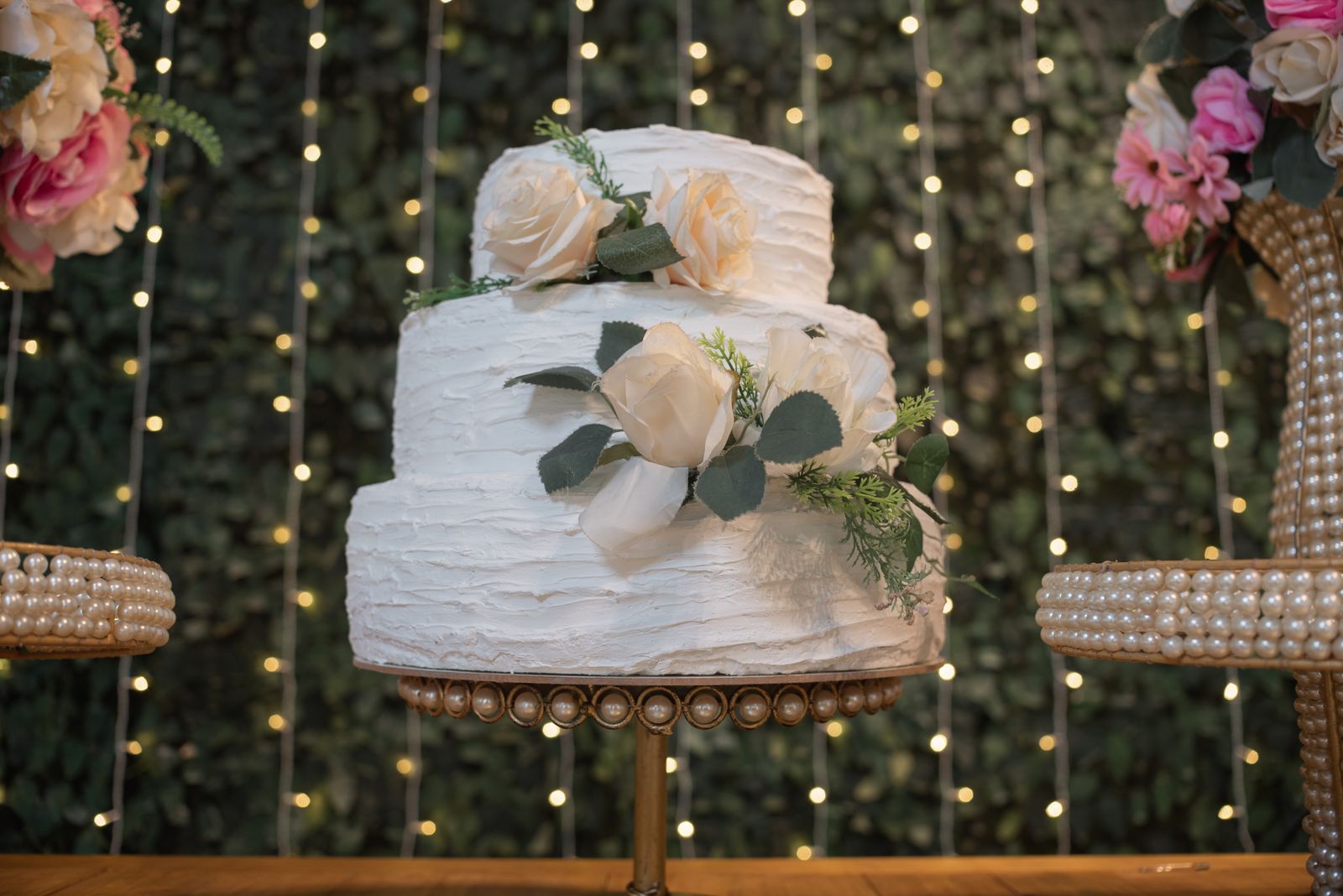
What freezes well from the rack
Breads, muffins, plain cakes, and most cookies freeze from day-old condition into perfectly respectable future eating, provided you freeze them the day you buy them and wrap them like you mean it. The freezer does not rewind the clock, so a day-old loaf frozen today will thaw as a day-old loaf, which the oven revival then fixes. This two-step, freeze now, refresh later, is the entire strategy, and it works in every month.
What does not freeze well from the rack is anything whose texture was the point: crisp laminated pastry goes soft, whipped toppings collapse, and glazed items sweat. Buy those day-old only to eat within hours. Knowing the divide turns the rack from a gamble into a system.
The morning-after rules
Day-old items have a shorter remaining runway, so the rules tighten. Counter storage is measured in a day, not three. Refresh and eat, or freeze, by the evening of purchase. In summer, refrigerate anything with a perishable filling as soon as it gets home, accepting the slight texture cost as the price of safety in a hot kitchen. In winter, the counter is kinder and the timelines stretch a little, but the one-day discipline is still the safe default.
There is also a social rule worth keeping: day-old is for your household, your freezer, and your own table. Serving unlabeled day-old goods to guests as the centerpiece is where a smart buy turns into a false note. Bake the bread pudding, toast the slices for a soup night, and let the rack do what it does best, feeding the people who know exactly what it is.
Seconds, explained honestly
Seconds are the other half of the rack's vocabulary, and they are different from day-old. A second is an item with a cosmetic flaw: a cracked top, an uneven rise, a decoration that slipped, a pie whose crust patched at the edge. The flavor is the bakery's regular flavor, because the recipe never changed; only the appearance missed the standard for full price. For home eating, seconds are often the best value in the shop, since your table will cut, toast, or sauce the item anyway. Ask what makes a particular item a second if it is not obvious. A cracked muffin is a bargain. A filling that failed to set is a different purchase, and an honest bakery will tell you which one you are holding.
There is also an environmental argument that needs no dressing up. Bread and cake thrown away represent flour, butter, eggs, oven fuel, and a baker's early morning, all discarded. Buying day-old and seconds well, and actually eating what you buy, keeps that work feeding people instead of filling a bin. Bakeries price the rack to move it for exactly this reason, and a shopper who learns the rack is participating in the least wasteful part of the whole baking system.
Common questions
Is day-old bread safe to eat?
Yes, if it has no mold and smells normal. Staleness is a texture issue, not a safety one. Visible mold anywhere on a loaf means discarding the whole loaf.
Why are day-old items cheaper?
Because their best texture window has passed and the bakery would rather sell them at a reduced price than waste them. The savings buy you one refresh step at home.
What is the best day-old buy of all?
A crusty loaf in cool weather. It freezes well, revives beautifully in a hot oven, and gives you bakery bread on a weeknight with ten minutes of work.
Photos in this guide are representative stock images.
← All guides from Three Fork Cakes← Back to Three Fork Cakes