Every kitchen in Taylorsville makes the same small decision with every loaf: counter, fridge, or freezer. One of those answers is almost always wrong, one is right for a few days, and one is right for a few weeks, and the deciding factors are how fast you eat and what kind of bread you bought. This decision guide sorts it by situation, so the next loaf gets the treatment that matches your actual habits instead of a rule half-remembered from someone else's kitchen.
| Situation | Best storage | Why it works |
|---|---|---|
| Eating a crusty loaf within 2-3 days | Counter, in paper or a bread box | Crust stays crisp, crumb stays soft, and staling runs slower than in the fridge |
| Soft sandwich bread for the week | Counter, bag closed tightly | Sealed soft crumb holds moisture; slice as you go |
| Half a loaf you will not finish in 3 days | Freezer, sliced and wrapped on day one | Freezing pauses staling; slices toast straight from frozen |
| Humid Piedmont summer, mold appearing fast | Freezer sooner, counter for smaller amounts | Warm humid air feeds mold; freezing removes the risk entirely |
| A stale but mold-free loaf | Oven refresh, then use as croutons or crumbs | Heat briefly loosens stale starch; dry uses suit the texture |
| Any bread, any timeline | Never the fridge | Refrigerator temperatures stale bread faster than the counter does |
Why the fridge loses
Staling is starch recrystallizing, and that process runs fastest at refrigerator temperatures. A loaf stored cold firms up in a day or two even in a sealed bag, and the texture reads as dry despite no real moisture loss. The fridge solves a problem bread does not have, bacterial spoilage is slow in bread, while creating the one problem bread does have, at maximum speed. Mold, bread's real enemy in a humid North Carolina summer, is handled better by eating promptly or freezing than by cold storage that stales the loaf before mold would have mattered.

Freezing done right
Freeze early, slice first, wrap tight. A loaf frozen on the day it was baked thaws close to fresh; a loaf frozen on day four preserves day four. Wrap in plastic and then foil or a freezer bag, press out air, and label with the date. Slices go into the toaster frozen. A partial loaf thaws wrapped on the counter, then takes five to ten minutes in a hot oven to bring the crust back. That oven step is not optional garnish. It is the step that makes frozen bread taste baked rather than thawed.
Reviving a counter-staled loaf uses the same heat. A whole crusty loaf warmed through will soften in the crumb and crisp at the crust, and should be eaten soon after, because refreshed bread stales again quickly. Plan the revival around a meal, not as a storage strategy.
Honest timelines
Crusty loaves give you two to three good counter days. Soft breads give three to four. Frozen bread, wrapped well, holds quality for about three months. Anything with visible mold is finished entirely, not trimmed, since mold threads extend beyond the spot you can see. Bakeries like Three Fork Cakes in Taylorsville bake for the counter timeline; your storage job is simply not to shorten it.
Two habits that settle most cases
If the table feels like a lot to remember, two habits cover most households. First, never refrigerate bread at all; removing the fridge from the decision leaves counter for now and freezer for later, and both are forgiving. Second, decide the loaf's fate on the day you buy it. Bread that drifts for two days while you decide ends up frozen at its worst or stale before it is frozen at all. A loaf bought in Taylorsville on Saturday morning with a plan, half for the weekend, half sliced and frozen by Saturday night, will out-eat a loaf twice as fresh that was stored on hope. Storage is a decision, and like most kitchen decisions, it works best made early and made once.
Common questions
Why does refrigerated bread taste dry even in a bag?
Cold speeds up starch recrystallization, which firms the crumb and mimics dryness. The moisture is still there, but the texture has changed.
Should I freeze bread whole or sliced?
Sliced, for most households. You can toast single slices from frozen and never thaw more than you will eat, which keeps the rest at peak quality.
Can I leave bread out in a humid summer kitchen?
For a day or two, yes, in a bread box or paper bag. In peak Piedmont humidity, freeze anything you will not eat within about three days to beat mold.
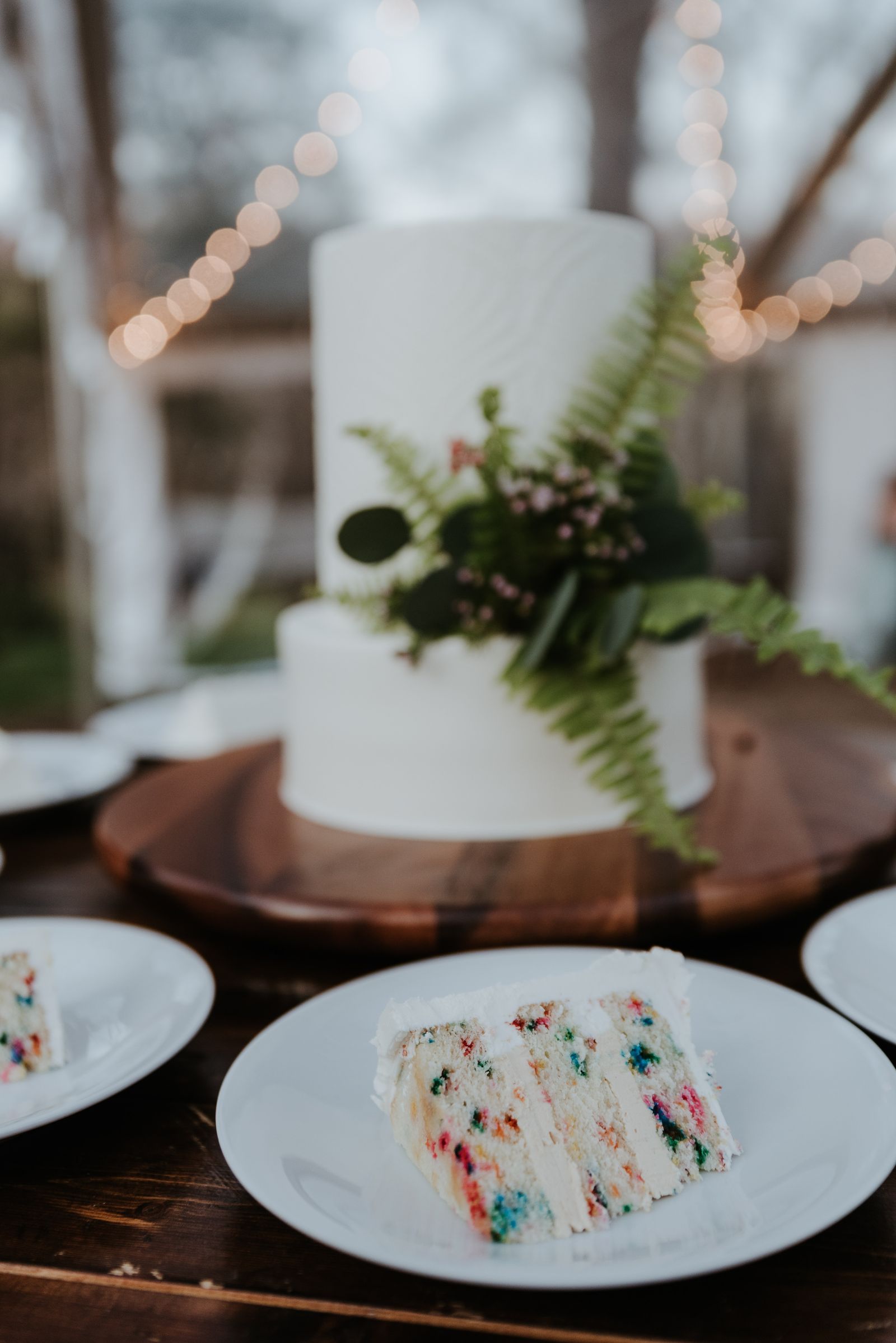
Photos in this guide are representative stock images.
← All guides from Three Fork Cakes← Back to Three Fork Cakes